
Lyric Theatre, August 20
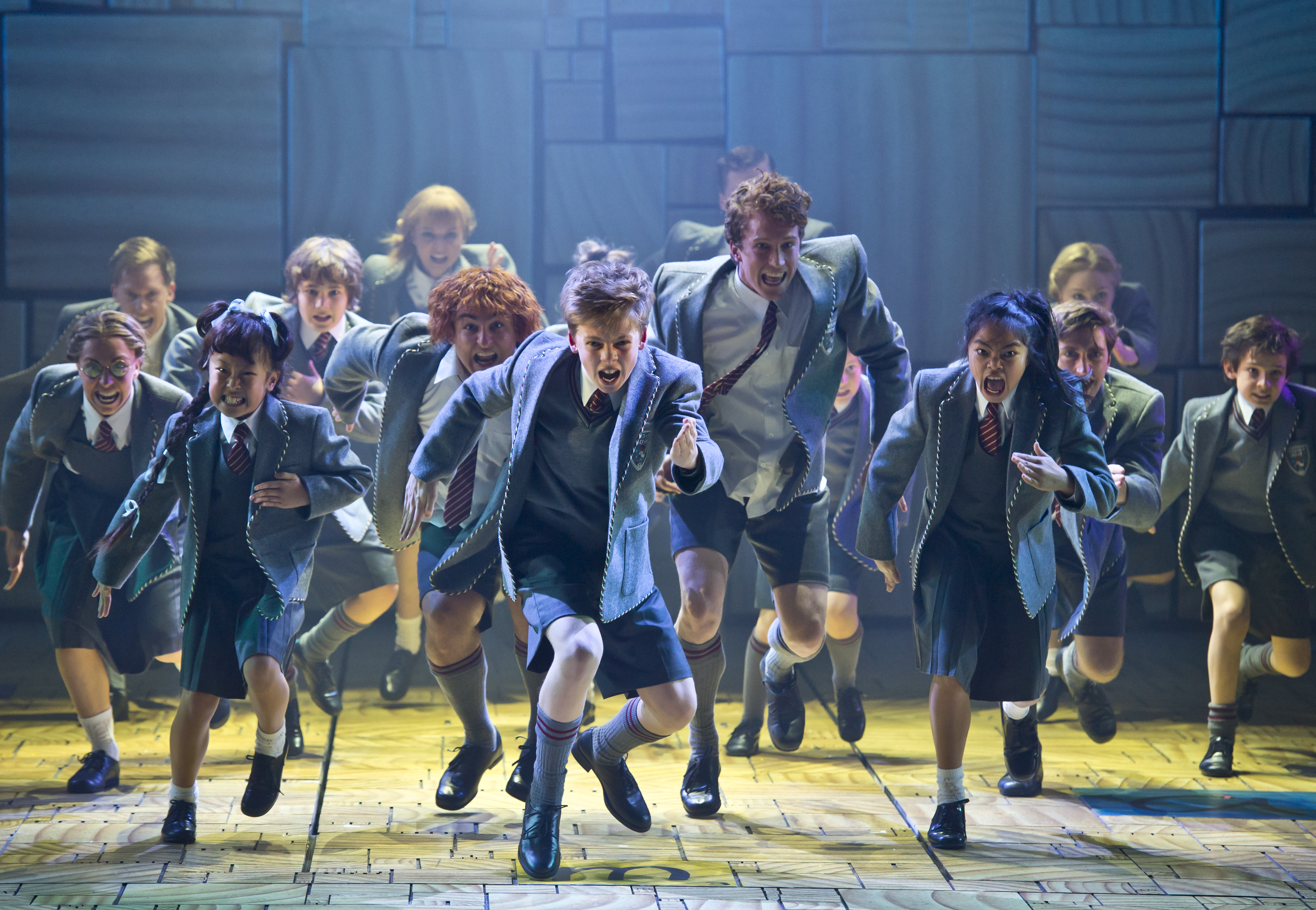
Matilda’s “revolting children”. Photo: James Morgan
Her philistine parents consider her “a jumped-up little germ” and “a good case for population control”. To her monstrous headmistress Miss Trunchbull she’s “a maggot” like all children.
But a brave, book-loving, five-year old genius called Matilda Wormwood has been winning the hearts and minds of musical theatre audiences in London, New York and beyond, not to mention rave reviews and umpteen awards.
Based on Roald Dahl’s book, the hotly anticipated Royal Shakespeare Company production of Matilda The Musical, which premiered in 2010, has finally arrived in Sydney, triumphantly weaving such a powerful spell it has us rejoicing with its “revolting children”.
Written by Dennis Kelly (book) and Tim Minchin (music and lyrics), Matilda is one of the most thrilling new musicals of recent years: a show that isn’t afraid to be dark, sophisticated or smart, while at the same time pulsing with a gloriously funny streak of child-like, anarchic naughtiness.
There is a perfect synthesis between Kelly’s book and Minchin’s lyrics, both brilliant, which share a similar cheeky irreverence and wickedly clever wit but which also touch the heart without becoming sentimental.
The opening number, Miracle, instantly illustrates how wonderfully well Kelly and Minchin have been able to work together, setting the show up perfectly. Not only do we have Dahl’s tart observation about how most parents think their own children are little angels but a flashback to Matilda’s birth and a quick summation of her less than rosy situation. Interwoven through one song, it’s a very clever opening.
Celebrating the joy and solace of books as well as the power of words and the imagination, Kelly has added a new narrative strand to the show in which Matilda tells a story about an escapologist and an acrobat.
This beautifully staged tale (which uses dolls and shadow puppetry as well as actors) proves magically prophetic, filling out Miss Honey’s story and revealing Matilda’s yearning for loving parents without spelling it out.
Minchin’s charmingly offbeat, catchy songs are refreshingly different to so many of the pop scores we hear in contemporary musical theatre. Highlights include the bittersweet “When I Grow” in which the children sail out over the audience on swings, the uplifting, bolshie “Revolting Children” and the moving ballad “My House”, exquisitely sung by Elise McCann.
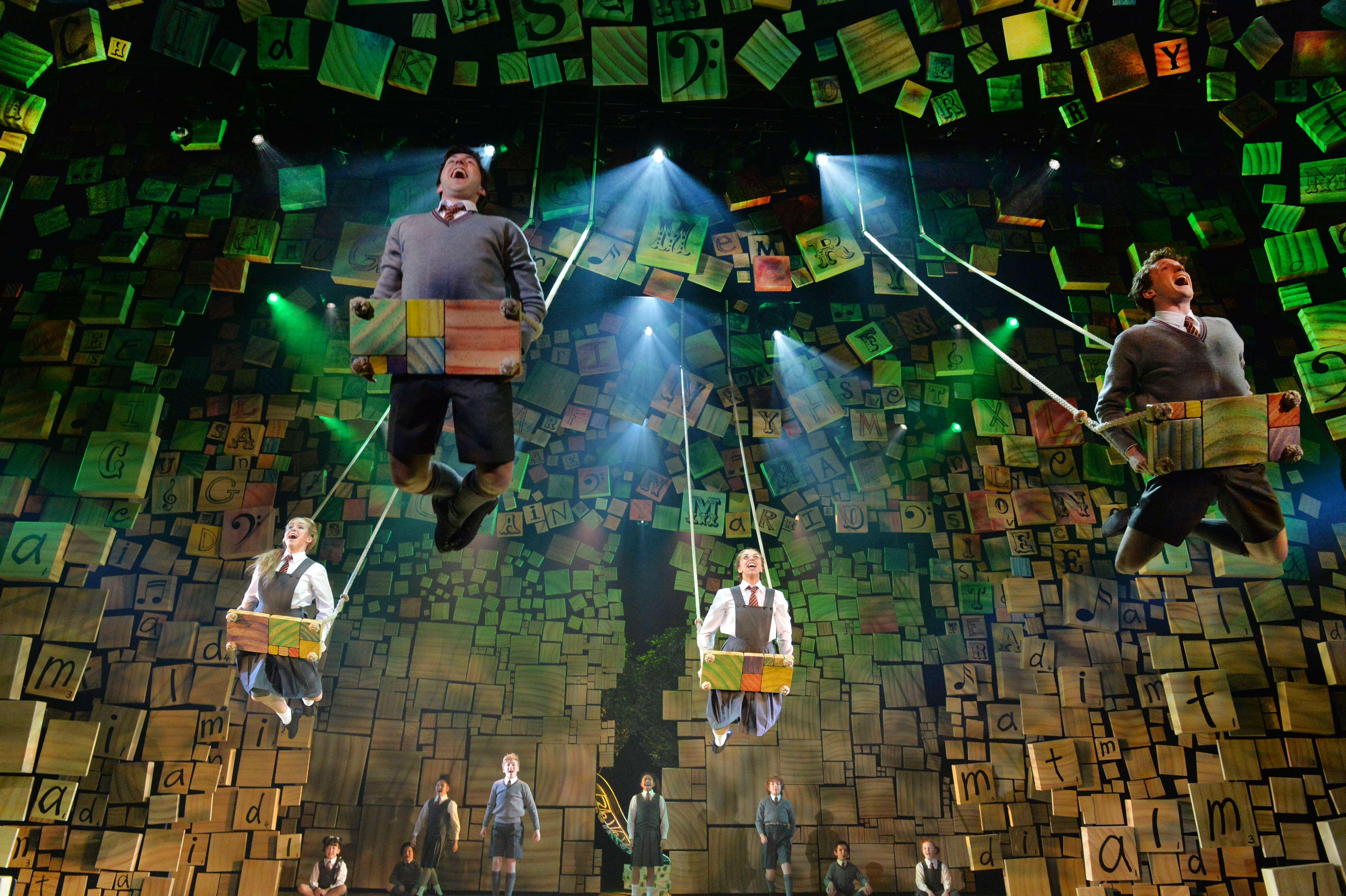
“When I Grow Up”. Photo: James Morgan
Matthew Warchus’s superlative production (staged here by associate director Nik Ashton) is a total delight. Rob Howell’s ingenious design integrates alphabet tiles and building blocks throughout the set. He has a wonderful way with colour, contrasting the garishly bright home and costumes of the Wormwoods with the forbidding grey of the school, while the drag costume he gives Miss Trunchbull with hunched shoulders and pendulous bosom is both terrifying and a hoot.
Peter Darling’s energetic choreography, which draws on kickboxing and karate, has the spot-on feel of kids stomping in the playground. His routine for School Song – in which two school boys (played here by adults) leap around in fleet-footed fashion up and down the school gate as alphabet blocks are pushed into place through the metal grille – is breathtaking. The kids powering downstage during “Revolting Children” is exhilarating.
The show makes huge demands on its child actors, particularly the young girl playing Matilda. Bella Thomas (aged 11) who starred on opening night (in a role she shares with Molly Barwick, Sasha Rose and Georgia Taplin) is extraordinary, giving Matilda a touchingly solemn yet feisty, determined demeanour. Her singing voice, meanwhile, is strong, true and clear.
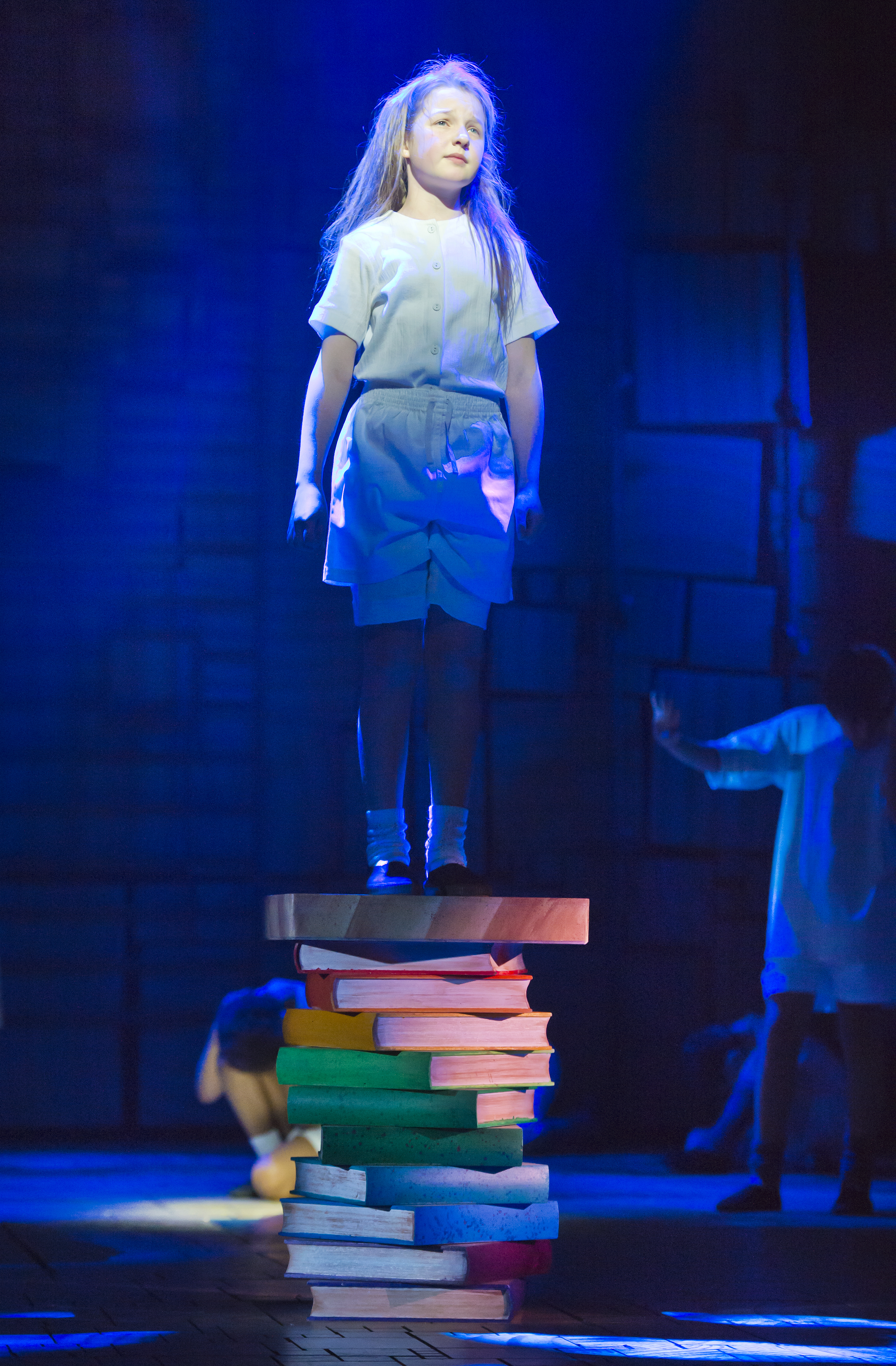
Bella Thomas as Matilda singing “Quiet”. Photo: James Morgan
But all the children are great, as are the adult cast. James Millar is sensational as the dreaded Miss Trunchbull, deploying an alarming bosom and killer comic timing to perfection. He marries an almost psychopathic stillness with sudden, throwaway jauntiness in a way that is both hilarious and frightening.
Elisa McCann is radiant as Matilda’s kind, put-upon teacher Miss Honey, Daniel Frederiksen and Marika Aubrey are very funny as Matilda’s appalling parents and Cle Morgan exudes oodles of exuberant warmth as the librarian Mrs Phelps.
Appealing to both adults and children, Matilda is a gem of a show with a wonderful heart and message about standing up to bullies and fighting for what is right. It’s also a love letter to joy of words. Pure magic.
Matilda The Musical is now playing at Sydney’s Lyric Theatre. Bookings: www.ticketmaster.com.au
A version of this review ran in the Sunday Telegraph on August 23

 Jo Litson: Scene and Heard