Random Musical & Horrible Histories: Awful Egyptians – review

Sydney Opera House, July 4

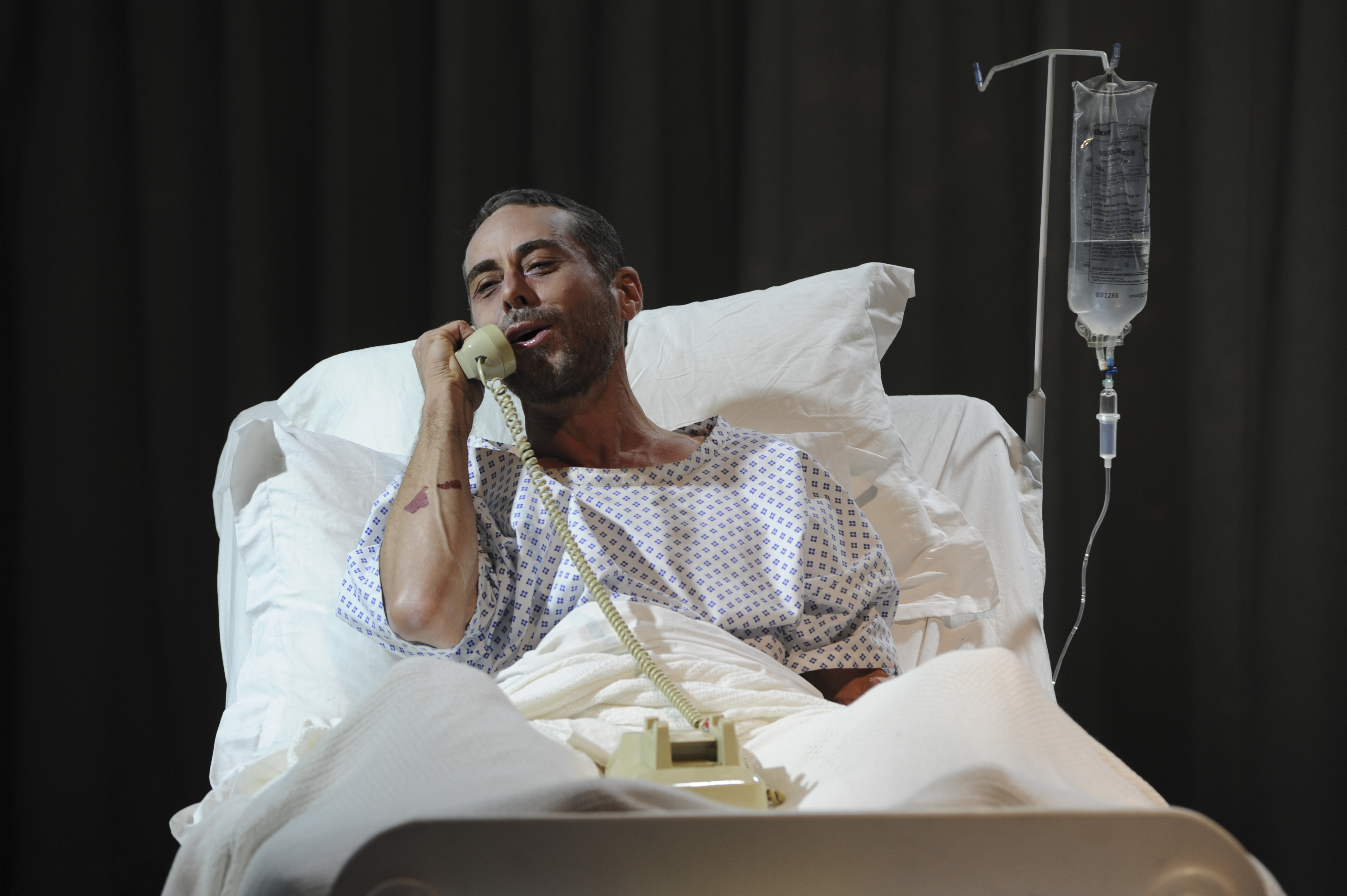
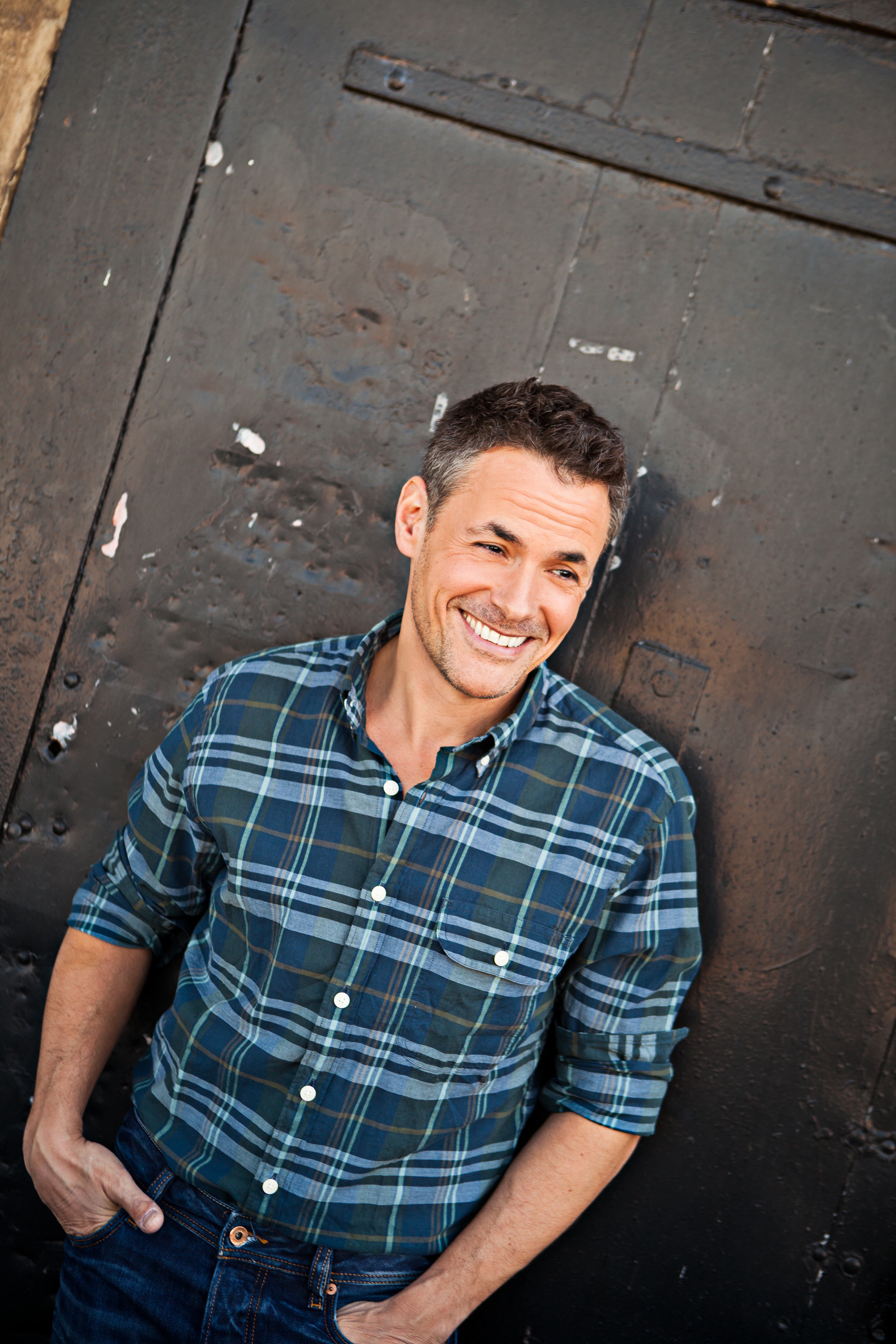
Scott Brennan, Gillian Cosgriff and Rik Brown in Random Musical

Scott Brennan, Gillian Cosgriff and Rik Brown in Random Musical

As part of its July school holidays program the Sydney Opera House is presenting three shows – two of which I caught up with in the one day: Random Musical for ages 5+ and Horrible Histories: Awful Egyptians for ages 6+.

It’s always so much more fun going to children’s theatre with a child, but with no littlie to take, a friend/colleague and I rocked our inner infant for the day.

We started with Random Musical, which was utterly charming: a lo-fi delight that had us both laughing our way through the hour-long show.

Once seated, the children are asked to write their name and a word beginning with the same letter on a piece of paper which is then collected by the performers.

The cast of four “randomaniacs” – Scott Brennan, Rik Brown, Gillian Cosgriff and Rebecca De Unamuno, with John Thorn on piano – then create a musical on the spot inspired by some of those words.

The first song That’s Pretty Random, which provides a framework in order to mention as many of the suggestions as possible (a lovely way to involve many of the children), was presumably written in advance. But from there on it’s all free-wheeling.

Our musical was called The Zany Ostrich (thanks, Zach and Olivia), about a rare, pink-feathered bird who really wants to be a penguin. Meanwhile, an evil explorer – “the strangely named Georgia” – wants to capture the ostrich and turn her into a feather boa.

The quick-witted cast did a superb job, not only conjuring plot and lyrics on the spot but singing spontaneously in various musical styles initiated by Thorn from English Musical Hall to rap.

Brown, in particular, as the explorer, came up with some incredibly funny lyrics that included an exploding snake (which later became an integral part of the plot) and had them rhyming effortlessly into the bargain. He also fired off some brilliant one-liners.

But all were excellent. Brennan did a lovely job as MC to get things going, De Unamuno was the sweetest penguin imaginable and Cosgriff made a great ostrich.

The children embraced any opportunity for audience involvement. Getting them to supply a few more sound effects might be a good idea to keep the youngest really engaged. But props to all involved. A great little show.
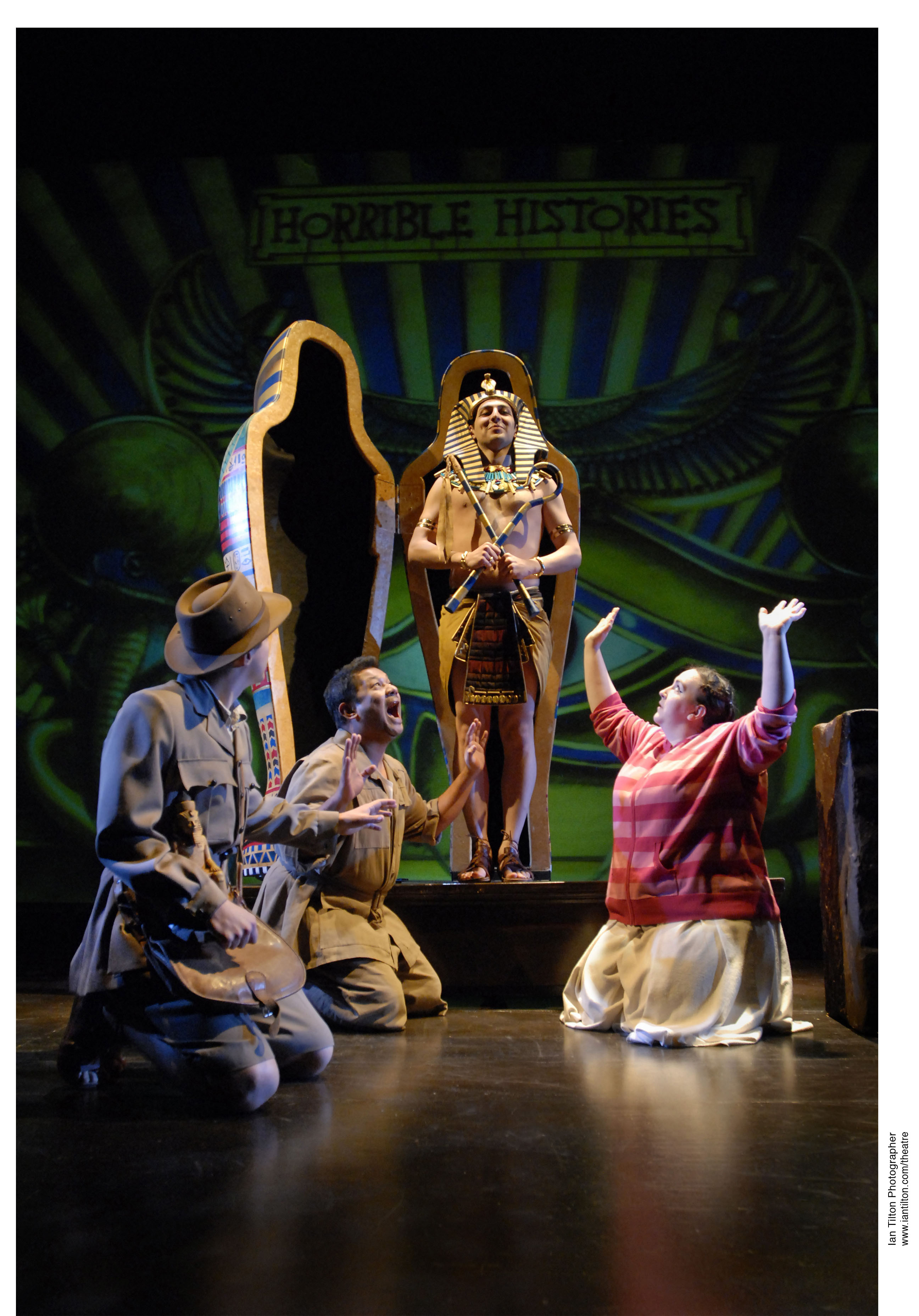
A scene from Horrible Histories.

A scene from Horrible Histories.

Horrible Histories: Awful Egyptians is a wildly different experience. It belongs to a phenomenon (which has passed me by as my children are too old) spear-headed by Terry Deary’s hugely popular books, which have spawned live shows and a BBC TV series.

This production is performed by the British-based Birmingham Stage Company. To the uninitiated it’s a weird mix of historical fact, broad British humour in a pantomime vein, with slapstick, lots of terribly corny jokes, hammy acting and lashings of gore (think rubber intestines and other body parts being flung freely). But the buzzy audience couldn’t have been more excited.

The plot involves an archaeologist and his dorky assistant who try to steal a statue of Ramesses II from a museum. Together with a schoolgirl on a guided tour, they conjure up the spirit of Ramesses himself who explains all about Egyptian history including the pyramids, mummies, Tutankhamun and the afterlife.

Running two hours it feels far too long for the material, though the second act features some pretty speccy 3D effects.

However, the audience seemed to be having an absolute ball. What’s more, demand is so great that the Sydney season quickly sold out so an extra show has been added on Saturday July 13.

Random Musical runs until July 14. Horrible Histories also closes in Sydney on July 14 then plays at Melbourne’s Her Majesty’s Theatre, July 19 – 21.
Sweet Dreams: Songs by Annie Lennox – review

Slide Lounge, July 1

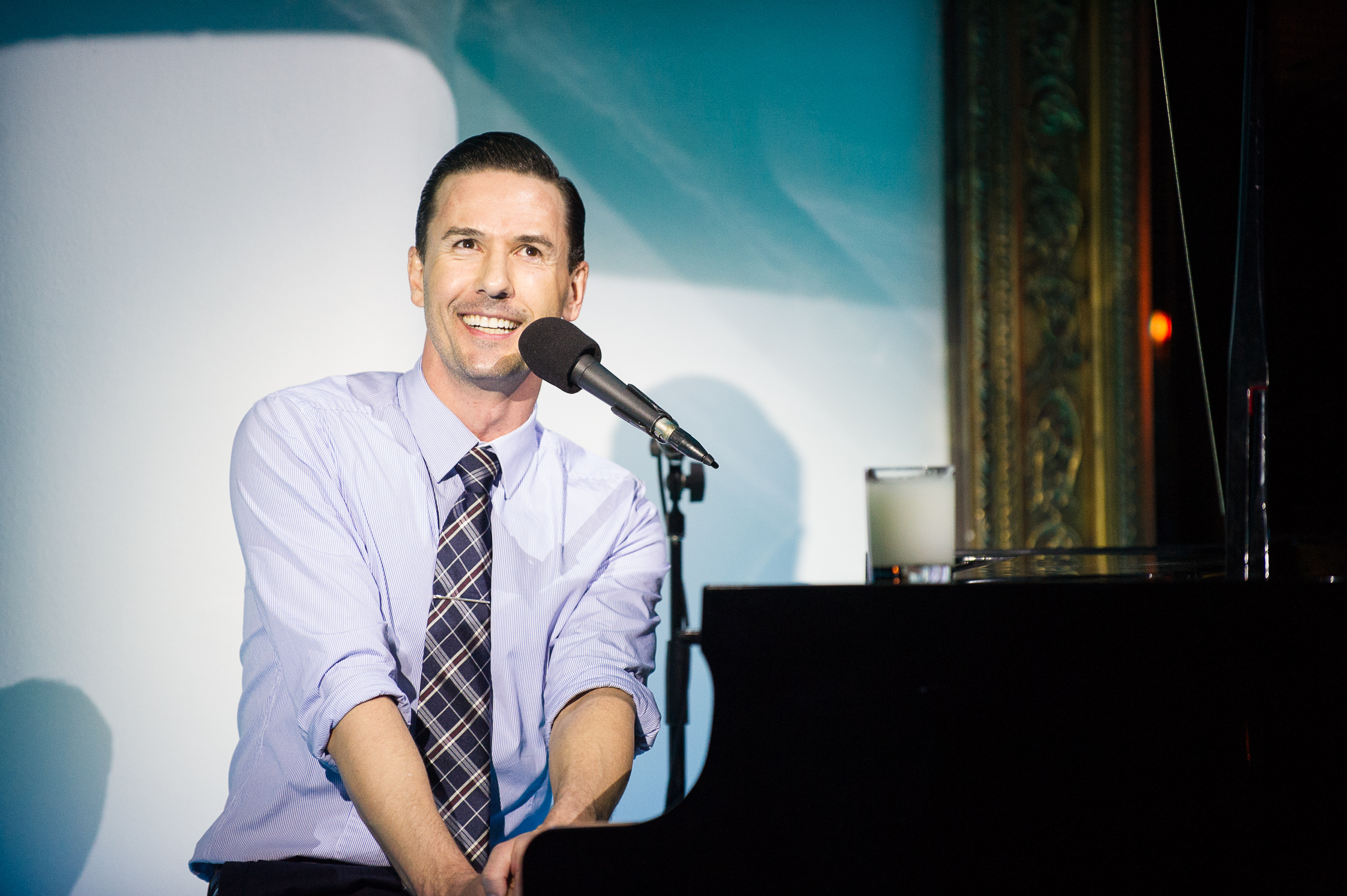
Michael Griffiths in Sweet Dreams. Photo: Kurt Sneddon

Michael Griffiths in Sweet Dreams. Photo: Kurt Sneddon

Michael Griffiths’ new cabaret show Sweet Dreams: Songs by Annie Lennox is a cleverly crafted, beautifully performed piece in a similar vein to his previous cabaret hit In Vogue: Songs by Madonna.

Written and directed by Dean Bryant (as was Griffiths’ Madonna show and Christie Whelan Browne’s wonderful Britney Spears: The Cabaret), Sweet Dreams is clearly thoroughly researched, taking us through the life and career of the androgynous-looking, Scottish singer-songwriter who was one half of British synth pop duo the Eurythmics.

But it does so much more than simply trot out biographical details interspersed with songs.

The witty, insightful, linking dialogue gives us an insight into her life and creativity, showing how she channeled her heartache and other experiences into her songs.

Sitting at the piano, looking casually urbane in skinny-fitting trousers, shirt and tartan tie (a nod presumably to Lennox’s Scottish background), Griffiths gives an extraordinary performance that is understated yet passionate.

He speaks in the first person as Lennox but makes no attempt to impersonate her. Likewise, he interprets the songs in his own, musically thrilling way – playing the piano with the same sensitivity that he brings to his singing.

The factual information is combined with personal reflections and witty observations  – all delivered with perfect comic timing. Bryant has also incorporated a couple of gently comic motifs: Griffiths lighting a candle, which he then blows out, waving the smoke away as he tosses the match aside to symbolise putting paid to bad song ideas; and bits of sage advice from Lennox’s father (“As my father would say, Anne Lennox ….”).

All the songs that you’d hope for are there, including Why? Walking on Broken Glass, There Must Be An Angel (Playing With My Heart), Who’s That Girl?, Love is a Stranger and Missionary Man among others.

For Thorn in My Side, Griffiths enlists the audience to do backing vocals – which they do with great enthusiasm.

Sweet Dreams (which premiered last month at the Adelaide Cabaret Festival) is intelligent, compelling cabaret offering a different kind of take on its subject to so many biographical cabaret shows that we see. For 70 minutes, Griffiths holds us in the palm of his hand – an angel playing with our hearts. Catch it if you can.

Sweet Dreams is at fortyfivedownstairs in Melbourne until July 7 as part of the Melbourne Cabaret Festival and then at Hobart’s City Hall on July 12 & 13 as part of The Festival of Voices.

The Force of Destiny: review

Opera Australia, Joan Sutherland Theatre, Sydney Opera House, June 29


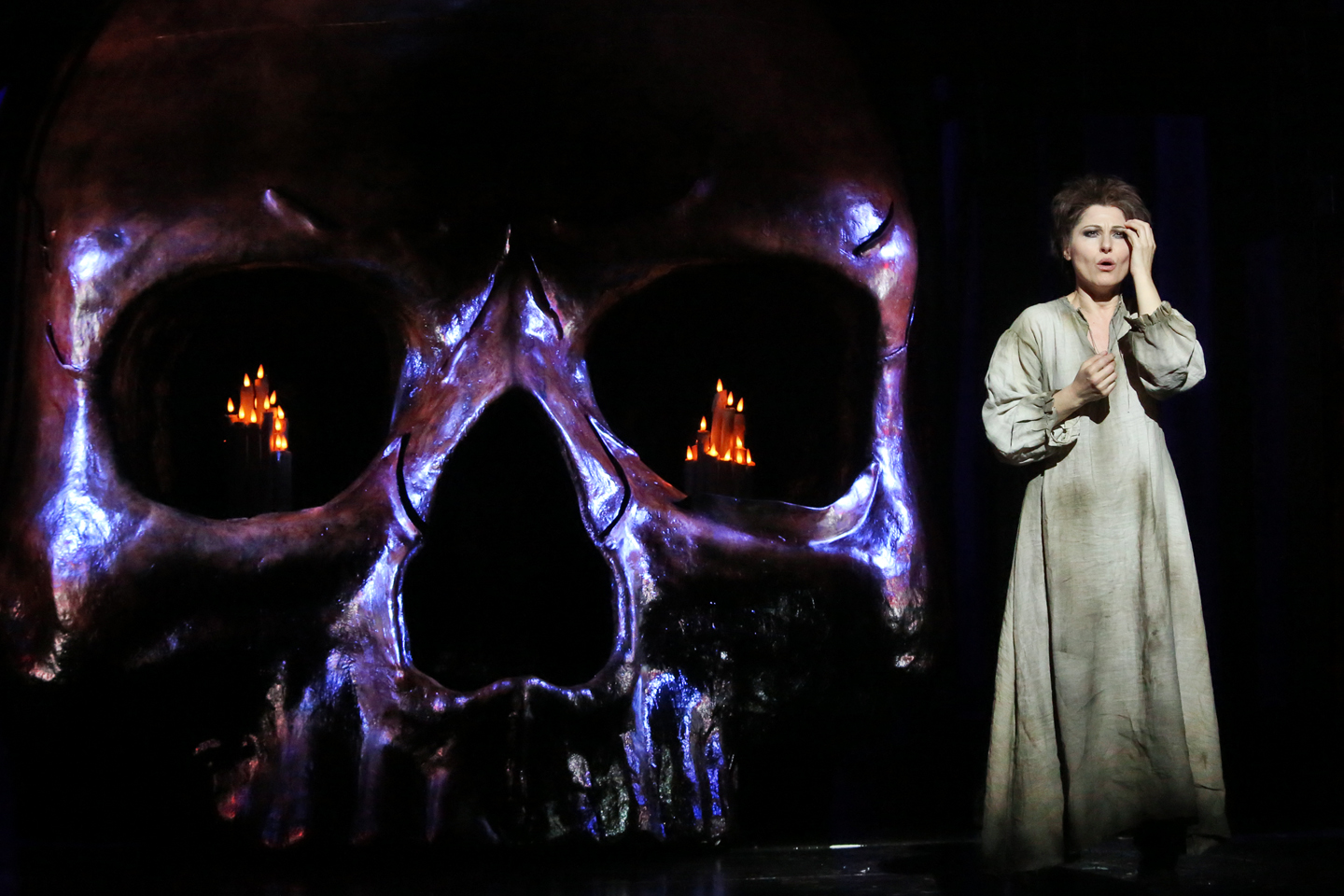
Svetla Vassileva as Leonora. Photo: Prudence Upton

Svetla Vassileva as Leonora. Photo: Prudence Upton

Death stalks Verdi’s dark, doom-laden, four-act opera The Force of Destiny (La forza del destino) as does the hand of fate – here made visible through the figure of the fortune-teller Preziosilla.

It’s an imaginative and effective device by director Tama Matheson, who has Preziosilla haunting the three central characters – Leonora, Don Alvaro and Don Carlo. Forever watching them, she intervenes at times, notably at the pivotal moment of Alvaro and Leonora’s elopement when she pushes Don Alvaro’s hand so that he accidentally shoots and kills Leonora’s father, setting the tragedy in motion.

Set in 18th century Spain and Italy during the Wars of the Austrian Succession, Verdi tells the story of forbidden love and honour killing against a background of war, also interweaving themes of religion and sex.

The love between Don Alvaro (son of a Spanish father and Peruvian princess) and Leonora only blossoms briefly. Separated when they elope, each believes the other dead for most of the opera. They don’t meet again until the tragic finale when – restoring Verdi’s original ending – Don Alvaro, Leonora and her avenging brother Don Carlo all die.

Matheson and designer Mark Thompson have created a mostly magnificent, visually dark production to match the bleak spirit of Verdi’s opera. On a black stage with tapestry-like backcloths, huge icons are used to create bold stage images.

It opens with a giant, gleaming skull and Preziosilla and the chorus holding similar masks as if at an underworld masked ball.

There’s also an enormous Madonna symbolising the monastery, the hermit’s cave where Leonora takes sanctuary for eight, lonely years, and various staircases and platforms around them.

In the first two acts, some of the scene changes feel a little clunky as things are moved around, notably the Madonna, which wobbles slightly as it is wheeled forwards. The massive scale and gaudiness of the religious statue also feels a bit overdone, representing as it does a small, out-of-the-way monastery.

In another scene, it takes ages for rows of candles to be pushed into place – though it looks beautiful when they are finally set.

But from there on, the production moves seamlessly and the distraction of earlier scene changes dissipates. Overall, however, the staging is marvellous, creating a visceral, dramatic environment seething with foreboding, enhanced by Nigel Levings’ gloomy lighting.

The final image of blood pouring from the crucified Christ’s side onto the giant skull below, flanked by walls of skeletons, is a resonantly powerful, disturbing one.

Thompson’s richly detailed, period costumes add flashes of colour to the darkness, in particular Preziosilla’s red, gold and black dress with its layers of lace and netting.

There’s a striking moment in the first act when Leonora’s maid helps her out of an ornate gown with enormous pannier into simple clothes for the elopement – which speaks reams about the power and status of clothing.

Heavy, dark eye make-up for many of the performers adds to the sense of the characters being haunted and doomed.


Jonathan Summers, Rinat Shaham and Riccardo Massi. Photo: Prudence Upton

Jonathan Summers, Rinat Shaham and Riccardo Massi. Photo: Prudence Upton

The casting is splendid. As Don Alvaro, Riccardo Massi appears slightly awkward to begin with but once he warms up sings with stirring passion and an effortless, soaring beauty.

Svetla Vassileva is radiant as Leonora, with a rich, clear, agile soprano, while her acting is equally expressive and poignant.

Jonathan Summers uses his dark baritone to convincingly portray Don Carlo, Leonora’s unlikable brother who is hell-bent on revenge, believing that his sister has dishonoured their family.

There are also vivid performances by Rinat Shaham as the gypsy Preziosilla, Warwick Fyfe as the grouchy, impatient Franciscan Fra Melitone, who resents dispensing charity to the poor, Richard Anderson as Leonora’s father the Marchese di Calatrava, Giacomo Prestia as the generous Padre Guardiano and Kanen Breen as a pedlar.

Andrea Licata conducts the orchestra with a spirited sense of urgency.

The Force of Destiny is a long opera, running three and a half hours with two intervals, but this powerful, new production keeps you in its grip and lingers in the mind.

The Force of Destiny runs until July 23.

Robots vs Art: review

Simon Maiden as Executive Master Bot

Simon Maiden as Executive Master Bot

A big hit in Melbourne, where it played at La Mama and then the Melbourne International Comedy Festival, Tamarama Rock Surfers is now presenting the sci-fi comedy Robots vs Art in Sydney.

Written and directed by Travis Cotton, the play is set in the not-too-distant future, where robots have taken over the earth, annihilating most of the humans before they destroy the (now-sustainable) planet.

The few surviving people labour in zinc mines, while the robots live in art galleries – though they’ve removed the art.

Then Executive Master Bot (Simon Maiden) begins to wonder about this thing called Art. He writes a play to performed by robots and drags Giles (Daniel Frederiksen) – a former playwright and director – from the mines to direct it for him.

When that is successful, Executive Bot wants more and challenges Giles – now the only human left – to stage a play, which will make him feel human emotion. If Giles is successful he will not only live but be able to procreate with a Fembot. If not, he dies.

It’s a lovely conceit that combines sci-fi and environmental themes with questions about art – what is it? And what is its value?

The writing is full of sparkling one-liners with many theatrical in-jokes, which will appeal to an industry audience in particular, but which are funny enough to have a general audience laughing too.

The production meanwhile is decidedly lo-fi with a no-frills set and costuming – but the tight direction and acting make up for it.

Maiden, along with Natasha Jacobs who plays a Fembot and Paul David Goddard, who plays Claw Bot and Soldier Bot, give wonderfully comic performances using a very funny, robotic physicality and delivering the smart dialogue in a suitably flat, mechanical-like intonation.

Maiden cleverly conveys Executive Bot’s growing sense of human emotion, gradually transforming into as arty an entrepreneur as a bot could be. The glimpse of a smile that Jacobs gives as her Fembot seems to start to change a little during rehearsals is also beautifully, subtly done.

Frederiksen, meanwhile, is engaging and sympathetic as Giles, who was only ever a middling playwright and even less successful director and who now has the unenviable, hilarious, frustrating task of coaxing believable performances from the bots.

Robots vs Art isn’t the most profound play but it’s a great deal of fun with serious themes and a surprise, snappy ending. Well worth a look.

Bondi Pavilion until July 7.

An edited version of this review ran in the Sunday Telegraph on June 30.


Go Your Own Way, the Story of Christine McVie: review

Slide Lounge, June 27

Catherine Alcorn with Marty Hailey and Tamika Stanton. Photo: Kurt Sneddon

Catherine Alcorn with Marty Hailey and Tamika Stanton. Photo: Kurt Sneddon

Catherine Alcorn made her mark on the Australian cabaret scene with her debut show The Divine Miss Bette, in which she stepped into Bette Midler’s shoes.

Now, for her second offering, Go Your Own Way, the Story of Christine McVie, she takes on “the other woman” in Fleetwood Mac.

Christine McVie is nowhere near as colourful a character as Midler, which gives the show’s writer Diana Simmonds less to play with. The English-born singer/songwriter is apparently living a quiet life in her homeland with her beloved dogs and by all accounts is perfectly happy not to be part of Fleetwood Mac’s current reunion tour – though she herself has said little about it publicly.

There was the tumultuous time the band went through when recording Rumours, during which Christine and husband John McVie were breaking up as were Stevie Nicks and Lindsey Buckingham, which is naturally dealt with, and a relationship with Beach Boys drummer Dennis Wilson.

But overall there’s not a great deal of drama to McVie’s story. Simmonds (who was brought in late) takes a fairly straightforward, chronological approach to the narrative but laces it with some nice, deadpan, throw-away humour and some of the lingo from the 60s and 70s to give it some spice.

She also gives voice to Nicks at one point via backing vocalist Tamika Stanton – an effective device that might perhaps be worth exploring a little more.

Musically, the show is a cracker. The set list of songs (all written or co-written by McVie with the exception of Go Your Own Way by Buckingham) is fantastic: The Chain, Little Lies, As Long as You Follow, Say You Love Me, Over My Head, Don’t Stop, You Make Loving Fun, Oh Daddy, Everywhere, Songbird and, course, Go Your Own Way.

The enduring popularity of Fleetwood Mac’s music (given a boost in 2011 when Glee covered six tracks from Rumours) means that the show will have great appeal to Mac fans and indeed anyone who likes that period of music.

What’s more, Alcorn sings it superbly – arguably better than McVie herself. She has a rich, powerful voice, which she uses with sensitivity and skill, and a big, warm stage presence.

Starting the show in the present day, she removes a tailored jacket, loosens her hair and dons a mauve, fringed and sequined kimono-like jacket to take us back to the start of Christine Perfect’s (as she was born) career, adopting a light English accent and a slightly lower register than normal for the dialogue. A number of rugs thrown onto the stage help lend the space something of a hippie feel.

Alcorn is backed by a terrific three-piece band led by musical director Isaac Hayward on keyboard, with Marty Hailey on guitar and Nick Cecire on drums. Stanton and Hayward provide strong backing vocals.

Having debuted at the Adelaide Cabaret Festival and then performed it at the Melbourne Cabaret Festival, Alcorn will presumably now go her own way with the show – and if she has half the success she has had with The Divine Miss Bette, she’s onto a good thing.

Meanwhile, The Divine Miss Bette has a season at Sydney’s Glen Street Theatre in Belrose from July 23 – 28.

Kristin Chenoweth & Idina Menzel reviews

Kristin Chenoweth in Concert

Concert Hall, Sydney Opera House, June 17

Idina Menzel with the Sydney Symphony

Concert Hall, Sydney Opera House, June 27

The opportunity to see Kristin Chenoweth and Idina Menzel perform at the Sydney Opera House just 10 days apart was heaven on a stick for Sydney musical theatre lovers – particularly fans of Wicked, some of whom doubtless saw the pair co-star in the Broadway production; Chenoweth as the bubbly good witch Glinda and Menzel as the green-skinned Elphaba.

They both seemed genuinely thrilled to be performing at the world famous venue – and the adoring audience returned their enthusiasm tenfold, giving each a sustained standing ovation, while Chenoweth was also met with one.

Both divas are blessed with an amazing set of pipes and gave “epic” concerts, as my plus-one put it, that required a huge, powerhouse sing. But never having seen either of them live before, it was fascinating to compare their different styles.

Kristin Chenoweth

Kristin Chenoweth

The petite Chenoweth – all 4’11” of her  – is vivaciousness personified, exuding megawatts of gleaming Broadway pizzazz.

The evening began with a montage of images from across her starry career on a huge screen hanging over the stage. Changing outfits twice, her mike stand was blinged-up in the second act to match her sparkling high heels, radiant smile and sassy, shiny stage presence.

Backed by her long-time friend and musical director Mary-Mitchell Campbell and an 11-piece band, Chenoweth’s clarion-clear voice is a remarkable instrument: equally powerful right across her entire register and across genres from country and gospel to Broadway and disco.

The audience went berserk when she sang Popular from Wicked, which she had fun with by singing sections in German and Japanese, while her renditions of Bring Him Home from Les Misérables and Kander and Ebb’s My Colouring Book were spine-tingling.

During her Australian concerts, Chenoweth has been inviting an audience member to sing For Good with her; in Sydney, that honour went to Australia’s own Glinda Lucy Durack, with Chenoweth taking Elphaba’s part.

It was clear Durack was totally taken by surprised and hadn’t rehearsed the number. “I’ve lived my whole life as a B grade version of you,” she said. But though obviously overwhelmed, she kept it together in one of the most touching moments of the concert.

Besides musical theatre numbers, Chenoweth did a tribute to Dolly Parton, an 1845 anthem Hard Times Come Again No More by Stephen Foster and a gospel number, quipping: “If you believe in Jesus, this is for you; if not it’s only four minutes….. Shalom!”

She talked about her faith as a Christian – albeit a controversial one given her support for same-sex marriage – and her charity work. At one point she showed us a sweet, personal video she sent to her father on Father’s Day and gave us a glimpse into her shoe closet, which rivals Imelda Marcos’s.

At times, the tone became a little sentimental and schmaltzy in that all-American way. Her three back-up singers, who occasionally dueted with her, seemed somewhat inexperienced and an Avenue Q skit sat oddly.

But no matter. Chenoweth’s enthusiasm is infectious and endearing, she’s very funny, and her voice is glorious. The audience couldn’t have loved her more if they tried and left exhilarated.

Idina Menzel. Photo by Robin Wong.

Idina Menzel. Photo by Robin Wong.

Menzel was more low-key, laid-back and earthy but no less winning. Barefoot and wearing a long, lacy, slightly boho black dress tied at the waist, she stalked the stage as she chatted to the audience. A Jewish girl from Queens, New York who began her career singing at weddings and bar mitzvahs, she displayed a dry sense of humour and an occasional potty-mouth.

She is clearly blissed out to be a mother to her young son with husband Taye Diggs, who she met when they performed together in Rent (in which she created the role of Maureen). Motherhood, she said, has allowed her to tap into greater depths of emotion.

Performing with the Sydney Symphony, conducted by Vanessa Scammell, and several American musicians she had brought with her, Menzel appeared to the strains of Somewhere Over the Rainbow, which quickly morphed into The Wizard and I – to a roar of approval from the audience.

As at Chenoweth’s concert, the musical theatre numbers got the biggest response from the audience, among them Don’t Rain on My Parade and a beautiful rendition of Somewhere – her “favourite song ever”.

She gave moving tributes to Marvin Hamlisch, who became a close friend of hers, singing At the Ballet and What I Did for Love from A Chorus Line, and also Jonathan Larson who died just before the first preview of Rent.

Four lucky audience members got to sing Take Me Or Leave Me with her – including a little girl, aged around five, whose mother put her up for it. Menzel dealt kindly with the child and invited them to go backstage afterwards.

Other numbers included a moving rendition of Joni Mitchell’s Both Sides Now, an effective mash-up of Cole Porter’s Love for Sale and Sting’s Roxanne and Lady Gaga’s Poker Face – the first number she did on Glee – commiserating tongue-in-cheek with the musicians of the orchestra for having to perform such fare.

Though performing with a symphony orchestra, the evening felt surprisingly intimate.

She had the audience holding their collective breath when she ended the concert with an acappella version of For Good, then wrapped things up with the obligatory Defying Gravity.

It may not be the best she’s ever sung it (she had been coughing a little, drinking lots of water and sucked a lozenge at one point) but it was still amazing.

Once again, the audience left on a high. While Chenoweth delivers pizzazz in spades, Menzel perhaps taps into the heart a little more. But both were stunning. Heaven.

King Kong review

Regent Theatre, Melbourne, June 19


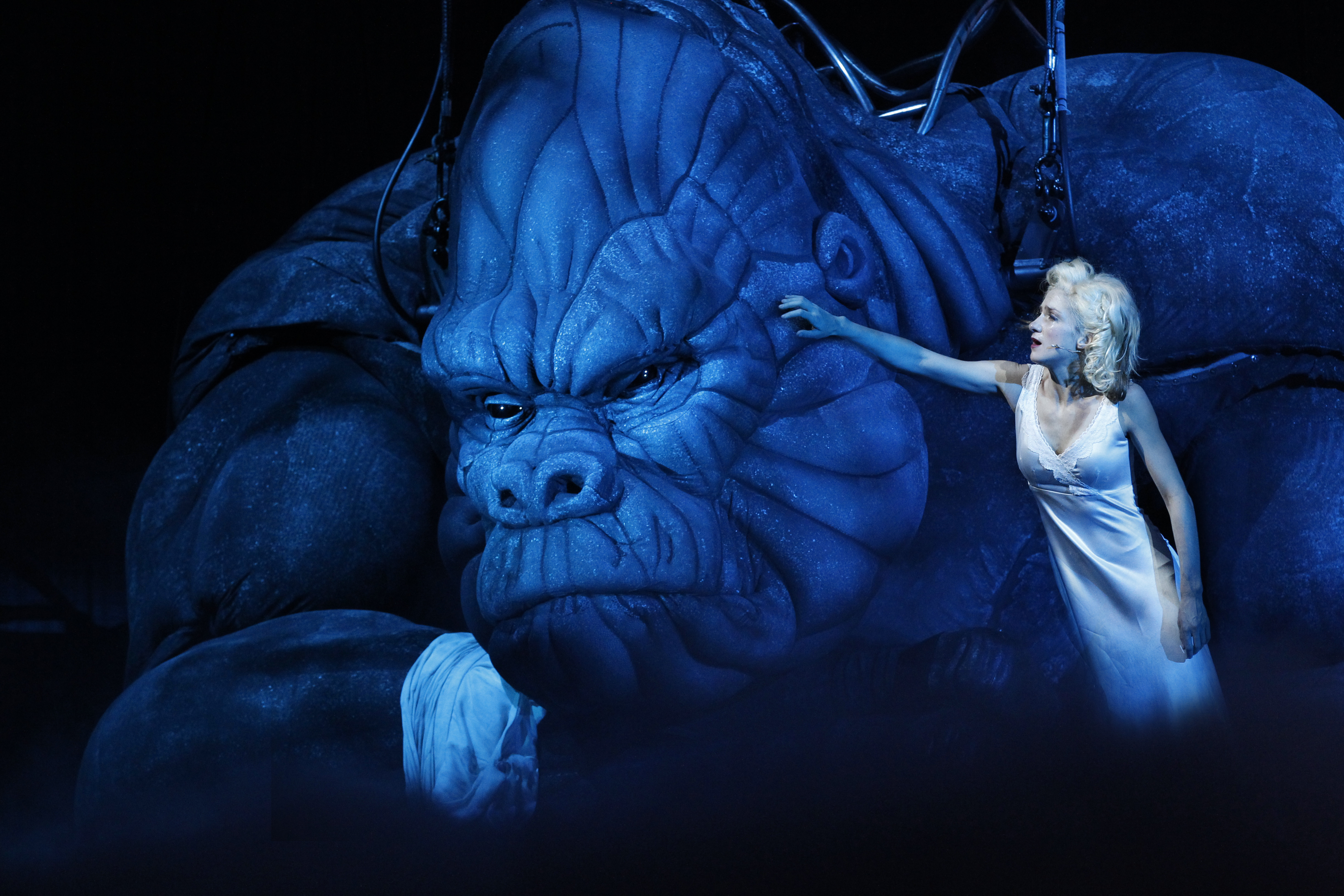
Esther Hannaford and King Kong. Photo: Jeff Busby

Esther Hannaford and King Kong. Photo: Jeff Busby

Set in New York in 1933 during the Great Depression, the story of King Kong has all the romance, tragedy and grand themes to make a wonderful musical. The biggest challenge, you would think, would be to portray the giant gorilla of the title on stage in a convincing way.

In fact, the truly extraordinary animatronic puppetry employed to create the beast is far and away the most successful element in Global Creatures’ new musical theatre show.

We hear him first – a thundering noise as he crashes through the jungle on Skull Island. Lights then pick out his enormous teeth and eyes, and suddenly there he is on stage – all six-metres of him. It’s an astonishing sight. And it only becomes more remarkable as we realise how much more he can do than roar in a terrifying fashion.

Operated by 10 on-stage puppeteers known as the King’s Men and three off-stage operators he looks incredibly realistic, while 15 motors in his face create a range of different expressions. Thus we see him not just snarling and angry but thoughtful, anguished and vulnerable. We relate to him and care about him. He is the most “human” character on stage.

It’s a genuinely remarkable achievement by creature designer Sonny Tilders and his team who prior to this created the dinosaurs and dragons for Global Creatures’ previous arena shows Walking with Dinosaurs and How To Train Your Dragon for Global.

What a shame then that the show surrounding him doesn’t match his magnificence.

The main problem is a weak book. Characters are sketchily presented and not developed, much of the dialogue is banal and clichéd, and there are umpteen gaps in the storytelling.

For example, Act I finishes as sleazy film producer/entrepreneur Carl Denham (Adam Lyon) prepares to leave Skull Island with the captured King Kong in tow, who has protected rather than eaten Denham’s newly discovered starlet Ann Darrow (Esther Hannaford). In Act II we are back in New York and Denham is about to present Kong as “the Eighth Wonder of the World”. As Ann and Jack arrive at the theatre, Ann says that Denham “will kill us” if he finds them there.

None of this has been set up. We haven’t seen anything of Ann sympathising with or comforting Kong on the ship back, and very little of her blossoming romance with Jack Driscoll (Chris Ryan) – here the son of a steel magnate who is working as a sailor because he needed to get away from his father.

We can fill in the gaps in our heads and make sense of most of it but the emotional arc of the show suffers.

Craig Lucas who wrote the book is highly experienced with credits including the Broadway musical The Light in the Piazza. Apparently a fair amount of dialogue was cut during rehearsals, which, if true, would go some way to explaining the problem  – but what we end up with is a structure that feels somewhat out of kilter.

At the heart of the show should be the relationships of Ann and Kong, and Ann and Jack – but we don’t see enough of either for the story to affect us as emotionally as it should.

Yes, it’s touching when Ann rushes to Kong as he stands atop the Empire State Building with planes attacking him but surely, if the show had done its job properly, we should be in tears at this point, in the way that Warhorse had people sobbing. Instead everyone around me seemed dry-eyed.

And what to make of dialogue such as Ann’s “It’s me or the whole city” when we know that she is the one person Kong won’t harm?

Meanwhile, the character given the biggest focus is the unlikable Denham – and unfortunately Lyon, a relative newcomer, doesn’t have the snake-oil charisma to bring him to life.

Meanwhile a prophetess figure – pointedly called Cassandra (Queenie van de Zandt) – could easily be dropped. We don’t need anyone to tell us that heading to Skull Island in order to find and exploit a ferocious beast is likely to end badly.

Stylistically and musically the show is ambitious but a bit of a mish-mash. Clearly the producers and the creative team led by American director Daniel Kramer, want to deliver a musical for the 21st century in a very different mould to a traditional Broadway show and they deserve kudos for that.

There’s certainly no shortage of spectacle what with Peter England’s striking production design, Roger Kirk’s lovely costumes, Peter Mumford’s dramatic lighting, and Frieder Weiss’s busy projections and lasers. What emerges is a show that is sometimes expressionistic, sometimes more conventional; a show that is part cabaret, part musical and part music video.

At times that works brilliantly, notably when Kong is destroying New York and a line of showgirls struggle on with a performance of Get Happy but at other times the different styles sit uncomfortably together.

A dream sequence on board ship in which Ann discovers her inner showgirl, backed by a line-up of scantily clad chorus girls with enhanced bosoms feels out of character for Ann and somewhat gratuitous, while the inhabitants of Skull Island are a strange combination of primitive and space age in a scene with a dance party vibe.

The music is an eclectic mix of original compositions by Marius de Vries, period songs from the 1920s and 1930s like Brother Can You Spare Me A Dime and I Wanna Be Loved by You, and contemporary songs by Massive Attack, Guy Garvey, Sarah McLachlan, Justice and The Avalanches.

Not much of the new music is very memorable. The most powerful song is Rise by De Vries. Van de Zandt, who gives a powerful performance, sings the hell out of it but it does feel strange to have a little-seen, secondary character singing the big 11 o’clock number. Ann’s Full Moon Lullaby (also by De Vries), a reprise of which follows Rise, is a pretty song but no showstopper.

Hannaford and Ryan are lovely as Ann and Jack. Both sing beautifully, have a great presence, and do as much as they can with the material they are given. The ensemble also give it their all.

King Kong has been five years in development and had a rare 19-week rehearsal period but it still needs more work.

As the centerpiece of the production, King Kong himself is truly wondrous. I can’t imagine anyone not marveling at him. His portrayal is a staggering piece of stagecraft and he deserves to be seen on Broadway – but the show could usefully do with further development before braving the Great White Way.

King Kong will only play in Melbourne and will not tour Australia. The show is currently booking through to August 18 and to October 13 for groups.

The Maids review

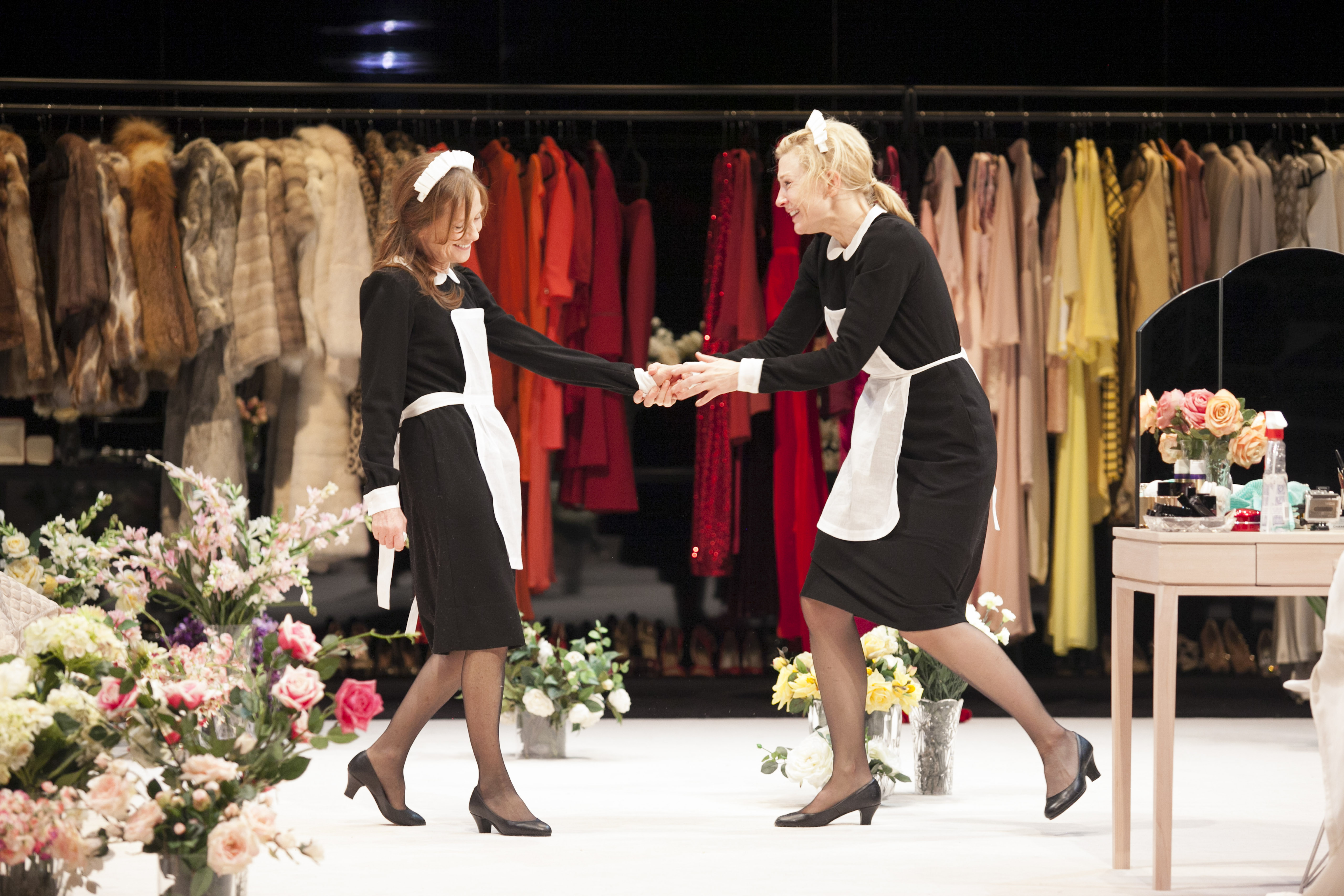
Isabelle Huppert and Cate Blanchett. Photo: Lisa Tomasetti

Isabelle Huppert and Cate Blanchett. Photo: Lisa Tomasetti

The starry line-up of Cate Blanchett, Isabelle Huppert and Elizabeth Debicki in Sydney Theatre Company’s production of The Maids is one of the most glittering pieces of casting seen on the Sydney stage for a while.

The vehicle that brings them together, meanwhile, is a dark, challenging, existential play.

Written in 1947 by French playwright Jean Genet, The Maids was inspired by a notorious, real-life case in 1933 when two sisters working as servants in Le Mans brutally murdered their mistress and her daughter. Discovered naked in bed together with the murder weapons, they immediately confessed.

In the play, two maids play a sadistic, sexualised, ritual game in which they act out the roles of servant and dominating employer and fantasise about killing their mistress. Reality and fantasy slip and slide in a play with layer upon layer of role-playing.

On this particular day, Claire (Blanchett) is playing the role of the mistress, while her older sister Solange (Huppert) plays Claire. An alarm clock from the kitchen sits on the bedside table to warn them of the impending arrival of their mistress (Debicki).

Director Benedict Andrews uses a muscular, new translation by himself and Andrew Upton, which feels contemporary yet true to the play, while the glossy, stylised production features several of his directorial signatures: glass walls and cameras feeding live footage onto a large screen.

Designer Alice Babidge transforms the stage into an opulent boudoir with a long rack of elegant couture, a bed, dressing table and hundreds of flowers in vases all over the room, with fake flowers underlining the theme of artifice.

The walls act as mirrors but through them we glimpse camera operators. The video (designed by Sean Bacon) gives us close-ups of the actors and brief scenes from a bathroom behind the main room but also picks out details like a knocked-over vase or rubber gloves lying on the bed. At times it’s distracting but overall it works, enhancing the intimacy of the play in the large theatre and the sense of voyeurism.

Andrews does a great job of mining the dark humour in the play and genuinely jolts you at times (think spit, profanities and toilet scenes).

The three actors respond to his vision with deeply committed, heightened performances.

Blanchett is remarkable, mercurial and fearless as she swans around histrionically in the guise of the mistress, then slumps back into Claire’s slutty, bitter anger and despair at her dead-end life. Holding nothing back, she seems genuinely spent at the curtain call.

The petite Huppert is more wry, playful and laissez-faire as Solange in a highly physical performance that sees her doing pull-ups from the clothes rack, pumping her legs on the bed and moving in a jerky, girlish fashion. However, her strong French accent has you straining to understand her at times, particularly when she speaks quickly. In a wordy play where the language and what they say is so important, it’s problematic.

Though both Blanchett and Huppert are individually terrific, the relationship between the two maids as co-dependent sisters doesn’t feel entirely believable.

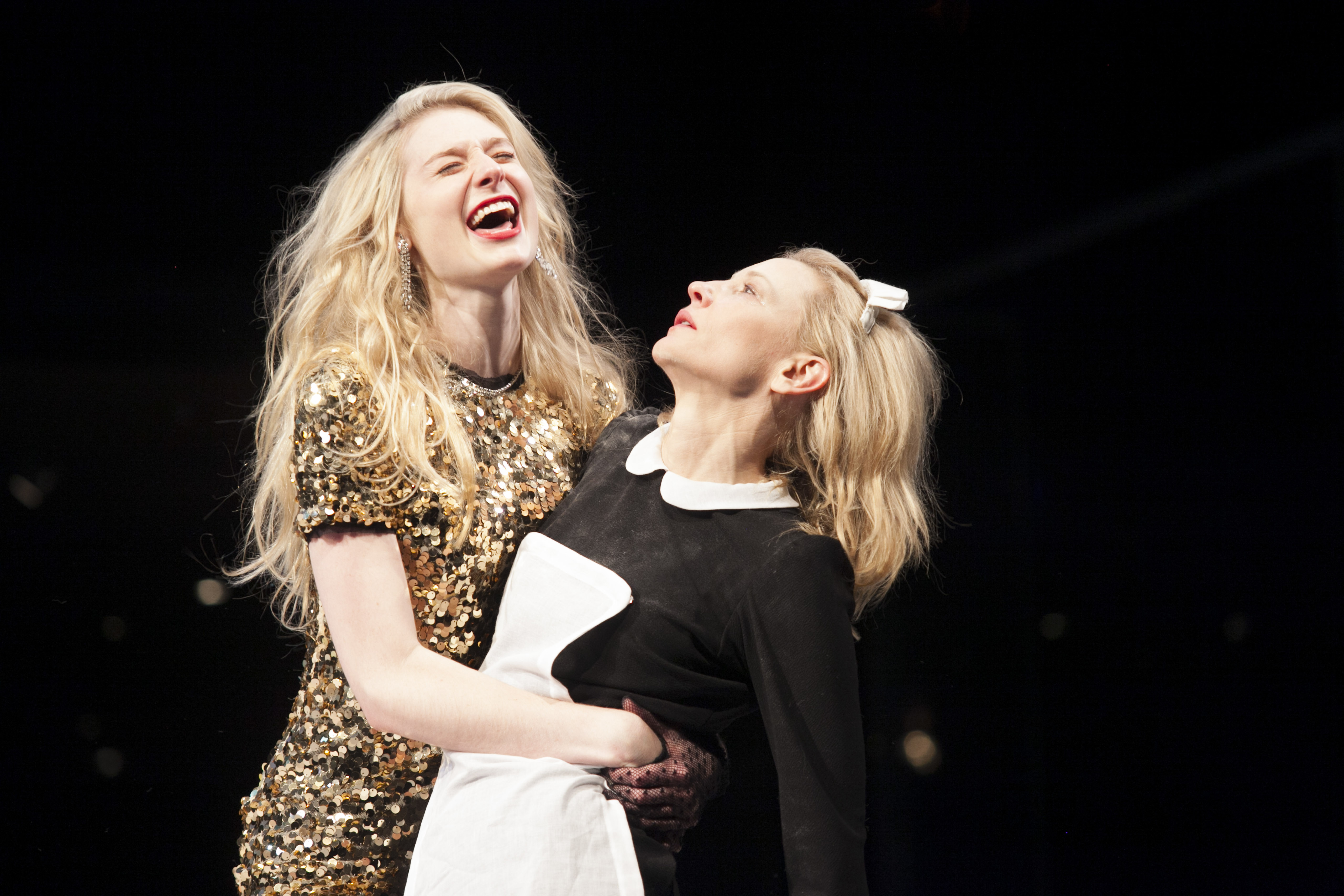
Elizabeth Debicki and Cate Blanchett.  Photo: Lisa Tomaetti

Elizabeth Debicki and Cate Blanchett. Photo: Lisa Tomaetti

In the smaller role of the mistress, the statuesque Debicki (a 22-year old newcomer fresh from playing Jordan Baker in Baz Luhrmann’s film The Great Gatsby) holds her own. Flouncing in like a celebrity used to the glare of the paparazzi flashbulbs, she captures the character’s skittish, careless, preening, self-regarding behaviour as she gushes over the maids one minute and barely knows one from the other the next.

The mistress is play-acting herself: playing at being the authoritative mistress as well as the devoted, suffering wife whose husband has been arrested. Debicki feels very young for the role and pushes close to farce as the mistress dashes off to see her husband but it’s a mesmerising performance by an actor we will doubtless be seeing a great deal more of.

But for all the passion on stage, I watched the production dispassionately, almost forensically without being sucked into the play. I felt totally disconnected from it. Perhaps that’s what Andrews wants; Genet certainly doesn’t invite an emotional response but I suspect it’s partly the theatre too, which feels very large for such an intimate piece.

Nonetheless, it’s a fascinating production of an intriguing play with some very fine acting.

Sydney Theatre until July 20

An edited version of this review appeared in the Sunday Telegraph on June 16 

Angels in America review

Belvoir St Theatre, June 1

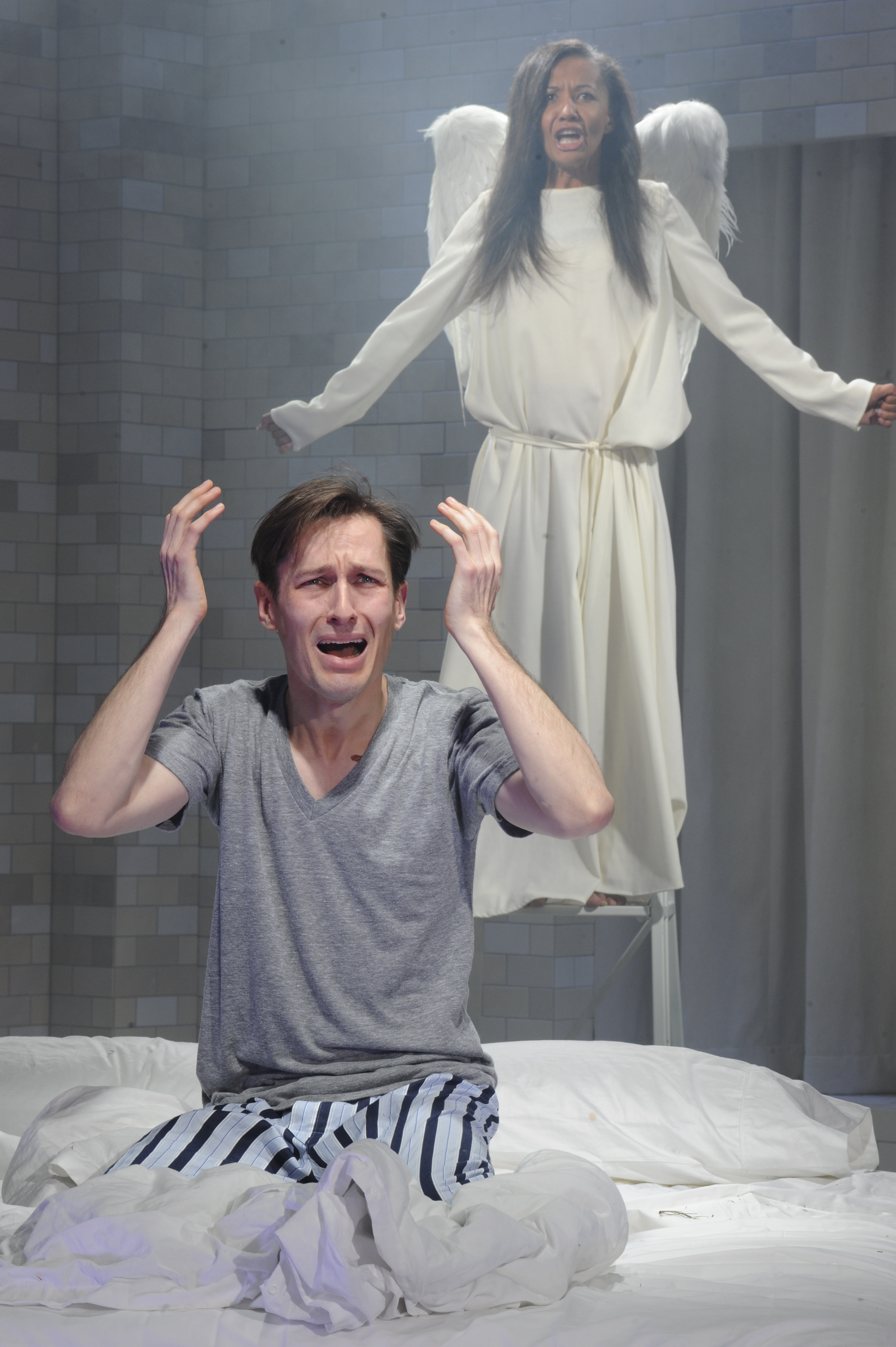
Luke Mullins and Paula Arundell. Photo: Heidrun Lohr

Luke Mullins and Paula Arundell. Photo: Heidrun Lohr

Set in the 1980s during the Reagan era and the AIDS epidemic, Tony Kushner’s epic, two-part drama Angels in America was a landmark piece of theatre when it premiered in 1991.

First seen in Sydney in 1993, the social and political context has changed but the human dilemmas in the play still resonate powerfully in this very special Belvoir production directed by Eamon Flack.

Subtitled A Gay Fantasia on National Themes, Angels in America tells the cleverly meshed stories of several different characters, connected through other people that they meet either in real life or hallucinations.

In Greenwich Village, a young man called Prior Walter (Luke Mullins) has full-blown AIDS – as does Roy Cohn (Marcus Graham), the real-life, notoriously corrupt Republic lawyer. But where Prior, an ex-drag queen, is out and proud, the aggressive, tough-talking Cohn insists that he is dying of liver cancer because homosexuals have “zero clout” and he therefore cannot be one.

Unable to cope with Prior’s escalating sickness, his Jewish boyfriend Louis (Mitchell Butel) leaves him, becoming involved with Joe Pitt (Ashley Zukerman), a closeted, Mormon and protégé of Cohn’s with a pill-popping wife called Harper.

Angels in America is a thrillingly daring, imaginative, humanist play that combines political, social, religious and environmental themes with wonderful flights of fancy including an angel who declares Prior a prophet.

Michael Hankin has designed a stark, beige-tiled set, which works brilliantly for a play that moves between Central Park, Antarctica, Salt Lake City, hospitals and heaven among other locations.

On this open space, Flack directs a crystal clear production that flows seamlessly. He uses the space superbly and has choreographed the scene changes with economical precision. Characters in hallucinations arrive and depart with a cheek toss of glitter, while the arrival of the angel is a glorious explosion of colour and sound.

Perched on a stepladder in a slightly underwhelming costume, the first glimpse of the angel is a bit of a letdown after the Spielberg-like build-up to her revelation, but that’s a minor quibble.

In every other way Mel Page’s costumes, Niklas Pajanti’s lighting and Alan John’s music add to a superbly staged production.

The casting could hardly be better with all the actors working together as a finely tuned ensemble. Mullins gives a deeply sympathetic performance as Prior that embraces his camp wit, fear and fortitude, while his skinny physique makes the ravages of AIDS-related illnesses painfully believable. It’s a performance so truthful it hurts to watch.

Graham is also superb as the demonic Cohn, conveying his physical disintegration so convincingly his face seems to become a stretched death mask.

Marcus Graham as Roy Cohn. Photo: Heidrun Lohr

Marcus Graham as Roy Cohn. Photo: Heidrun Lohr

Butel captures the guilt-ridden angst of Louis, whose mind and mouth are forever racing, while McMahon gives a touchingly warm, sweetly funny, poignant portrayal of Harper, whose fears about the destruction of the ozone layer and Joe’s true nature/sexuality tip her into Valium-induced hallucinations.

There are also excellent performances from Zukerman as Joe, Paula Arundell as a nurse and the angel, DeObia Oparei as Belize, a black drag queen who is a friend of Prior’s and a nurse caring for Cohn, and Robyn Nevin in a series of roles including a rabbi, doctor and Bolshevik as well as Joe’s Mormon mother and the ghost of Ethel Rosenberg who visits Cohn.

Part 1, Millennium Approaches, runs nearly four hours but zips by. It really is a contemporary classic. Part II, Perestroika, feels a little slow to start – but that’s in the writing rather than the production.

You can see both parts in one day (which I’d recommend) or separately. Either way, by the end of the seven hours of theatre (plus four intervals), you have gone on an extraordinary journey with the characters. You have laughed and cried with them, and shared their struggles, fears, anxiety, heartaches and joys.

Despite all the world problems canvassed by the play, you feel elated at the end, sharing its defiant optimism. 

Belvoir St Theatre until July 14; Theatre Royal, July 18 – 28

An edited version of this review ran in the Sunday Telegraph on June 9

Adam Guettel in Concert: review

Slide Cabaret, June 6

American composer-lyricist Adam Guettel

American composer-lyricist Adam Guettel

Tony Award-winning Broadway composer-lyricist Adam Guettel is currently in Australia for the first time for a series of performances and masterclasses.

Soon to appear at the Adelaide Cabaret Festival and Melbourne Cabaret Festival, he did a one-off performance at Sydney’s Slide cabaret lounge this week.

The grandson of legendary musical theatre composer Richard Rodgers, Guettel has been compared to Stephen Sondheim, while Sondheim himself has described his music as “dazzling”.

I must confess that I didn’t know a great deal of his music before seeing him perform at Slide. I have a cast recording of his musical Floyd Collins (which Kookaburra was going to perform a few years ago but then cancelled) but only a passing acquaintance with his other shows – so the chance to hear his music, performed by the man himself, was special and very welcome (thanks to producer Jeremy Youett of Your Enterprises).

Accompanied on piano by his longtime musical director Kimberly Grigsby (musical director of Spider-Man on Broadway), Guettel performed songs from Floyd Collins, The Light in the Piazza (for which he won Tony Awards for Best Original Score and Best Orchestrations) and his song cycle Myths and Hymns.

He also sang a few numbers from several new musicals he is currently writing including Days of Wine and Roses based on the 1962 film about an American couple who succumb to alcoholism, and Millions based on Danny Boyle’s 2004 film about two young brothers whose mother dies and who find millions in stolen cash – a musical Guettel described as being “about saints and cherubs” and how the boys “un-break their hearts”.

For several of the numbers he was joined by Haley Bond, a vocalist with a beautiful, pure voice, who he revealed to be his fiancée. As you’d expect there was an easy, intuitive rapport between the three of them.

Guettel has a great deal of charm, displaying a nice, self-deprecating, laid back sense of humour. He kept talk fairly tight, telling us mainly about the songs, but there was a lovely honesty to the way he engaged with the audience.

He played guitar for a couple of numbers, explaining amusingly how he is self-taught on the instrument so has to retune it when he wants to change key, as he did between two numbers here.

You can see why he is compared to Sondheim (though for my money he doesn’t rival Sondheim – but then who does?). His music is often complex with shimmering textures and emotional intensity. Many of the songs had a melancholic, yearning beauty but there were none you’d describe as showstoppers and for a cabaret show it could have done with a bit more variety musically, more changes of mood, and more light and shade.

Perhaps Guettel sensed that because at one he said that next time he came to Australia he’d bring some perkier songs.

Perhaps too, the songs didn’t have quite the same power performed out of context that they would have in the shows they come from.

Nonetheless, it was a treat to hear him perform his own music, much of which is undeniably beautiful, and especially to hear the new material, including a song called Something That We Know, which he said had never been heard publicly before. Fans of his will be very happy – and doubtless the show will win him more.

Adam Guettel performs at the Adelaide Cabaret Festival on June 22 and the Melbourne Cabaret Festival on June 29 & 30.